
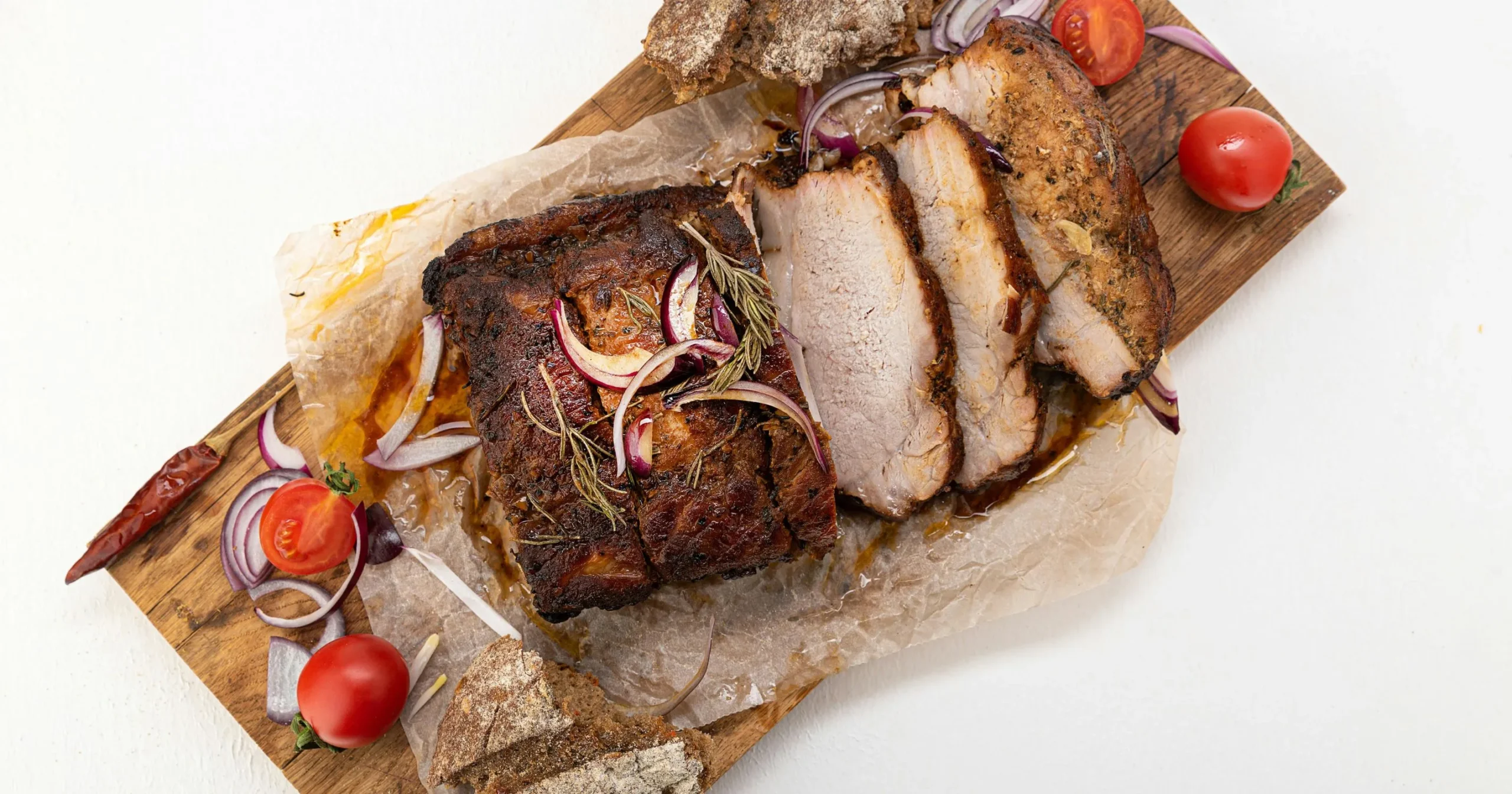
How to cook pork tenderloin in the oven step-by-step
Table of Contents
Pork tenderloin is one of the leanest, fastest-cooking cuts of meat you can put in an oven — and one of the easiest to ruin if you don’t know two things: the right internal temperature, and why resting matters. This guide covers both, plus a complete recipe with a dry rub that works every single time.
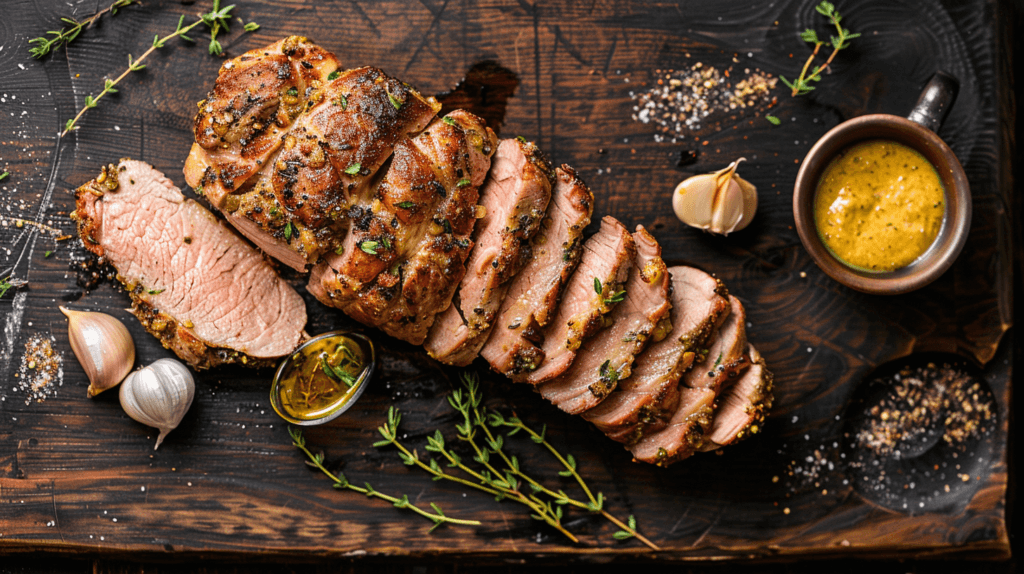
Quick answer: Cook pork tenderloin at 400°F (200°C) for 18–22 minutes after searing. Pull it at 140°F internal — it will reach the USDA-safe 145°F during resting. Let it rest 10 minutes before slicing.
Pork tenderloin vs pork loin — know the difference before you start
This is the most common source of confusion in pork recipes — and getting it wrong means following the wrong cooking time entirely.
- Pork tenderloin: a long, narrow muscle about 1–1.5 lbs. Very lean, cooks in 20–25 minutes total. No fat cap. Extremely tender when not overcooked.
- Pork loin: a wider, heavier roast — typically 2–5 lbs with a fat cap on top. Needs lower heat (325°F) and 20–25 minutes per pound. Completely different cook.
Critical distinction
If your cut weighs more than 2 lbs, you almost certainly have a pork loin, not a tenderloin. Cooking it as a tenderloin at 400°F will give you a raw center. Always check the label and the weight before you start.
Internal temperature — the only number that matters
Forget cooking times as your primary guide. Every oven runs differently, every tenderloin is a slightly different thickness. Temperature is the only reliable metric.
| Pull from oven 140°F / 60°C Carry-over cooking brings it to 145°F during rest | USDA safe (medium) 145°F / 63°C Slightly pink center, juicy, tender — the sweet spot | Well done 160°F+ / 71°C+ Fully opaque, firmer — acceptable but risks dryness |
What is carry-over cooking?
When you remove meat from the oven, the outer layers are hotter than the center. That heat continues moving inward for 5–10 minutes — raising the internal temperature by 3–5°F. This is why you pull at 140°F, not 145°F. It’s not a shortcut — it’s how professional kitchens work.
How to cook pork tenderloin in the oven
Step 1 — Remove the silver skin
The silver skin is a thin, shiny, bluish-white membrane running along one side of the tenderloin. It does not break down during cooking — it contracts, pulls the meat out of shape, and creates chewy bites. You must remove it before cooking.
How to do it: slide the tip of a sharp boning or paring knife just under the silver skin at one end, angle the blade slightly upward, and saw forward with short strokes while holding the skin taut with your other hand. It comes off in a single strip in under 60 seconds once you’ve done it a few times.
Step 2 — Trim excess surface fat
Pork tenderloin is naturally very lean, but there are sometimes small patches of hard fat on the surface. Remove anything thicker than ¼ inch — it won’t render at high heat and will create uneven browning.
Step 3 — Bring to room temperature
Take the tenderloin out of the refrigerator 20–30 minutes before cooking. Cold meat hitting a hot pan creates a massive temperature differential — the outside overcooks before the inside has time to catch up. Room temperature meat cooks faster, more evenly, and stays juicier.
Optional Step 4 — Quick brine for extra moisture
If you have 30 minutes to spare, a simple brine makes a noticeable difference — especially for very lean 93/7 tenderloins. Dissolve 2 tablespoons of kosher salt and 1 tablespoon of sugar in 2 cups of cold water. Submerge the tenderloin for 20–30 minutes, then pat completely dry before seasoning. The salt penetrates the muscle fibers and helps them retain moisture under high heat.
3 dry rub recipes that work in the oven
A dry rub does two things: it seasons the meat from the outside in during the resting period, and it creates the crust during searing. Here are three profiles that complement pork tenderloin specifically — not generic all-purpose rubs.
| Classic Herb Crust 1 tsp kosher salt ½ tsp black pepper 1 tsp garlic powder 1 tsp dried thyme ½ tsp dried rosemary ½ tsp onion powder Best with: roasted potatoes, green beans | Smoky Sweet Paprika 1 tsp kosher salt 1 tsp smoked paprika ½ tsp brown sugar ½ tsp cumin ¼ tsp cayenne pepper ½ tsp garlic powder Best with: coleslaw, cornbread, sweet potato | Garlic Dijon Marinade 2 tbsp Dijon mustard 3 garlic cloves, minced 1 tbsp olive oil 1 tbsp fresh rosemary 1 tbsp lemon juice Salt and pepper Best with: asparagus, mashed potatoes |
Apply any dry rub at least 15 minutes before cooking — ideally 1 hour. Press it firmly into all sides of the meat. The salt needs time to penetrate beyond the surface.
Complete step-by-step recipe
Pork Tenderloin in the Oven with Smoky Herb Crust
Prep time: 15 min Cook time: 22 min Rest time: 10 min Total: ~50 min Servings: 3–4 Calories: ~210 kcal/serving
Ingredients
- 1 pork tenderloin (1–1.5 lbs / 450–680g), silver skin removed
- 1 tbsp neutral oil (avocado or canola) for searing
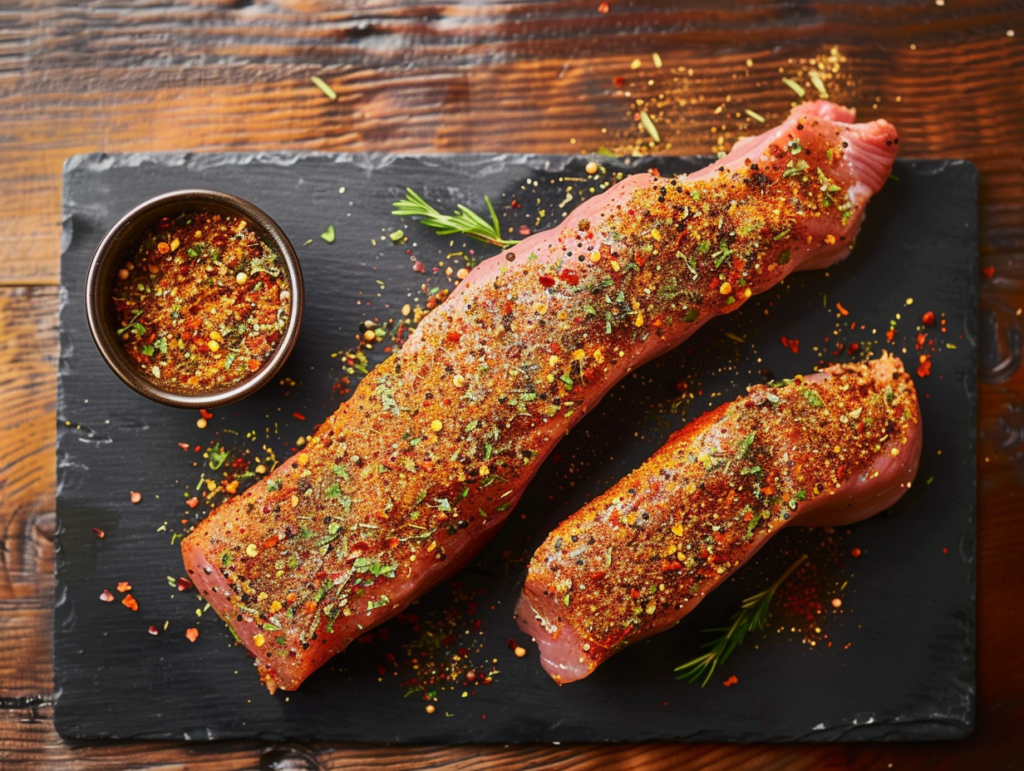
- Dry rub: 1 tsp kosher salt, ½ tsp black pepper, 1 tsp smoked paprika, 1 tsp garlic powder, ½ tsp dried thyme, ½ tsp brown sugar
- For the pan sauce (optional): ½ cup chicken broth, 1 tbsp Dijon mustard, 1 tbsp cold butter, fresh thyme
How to cook pork Tenderloin in the Oven
- Preheat oven to 400°F (200°C). Place the rack in the center position. Let the oven preheat for a full 15–20 minutes after it signals ready — most home ovens need this extra time to fully stabilize temperature.
- Prepare the tenderloin. Pat it completely dry with paper towels — moisture is the enemy of a good sear. Remove the silver skin if not already done. Mix the dry rub ingredients in a small bowl, then press firmly onto all sides of the meat. Let it sit 15 minutes at room temperature.
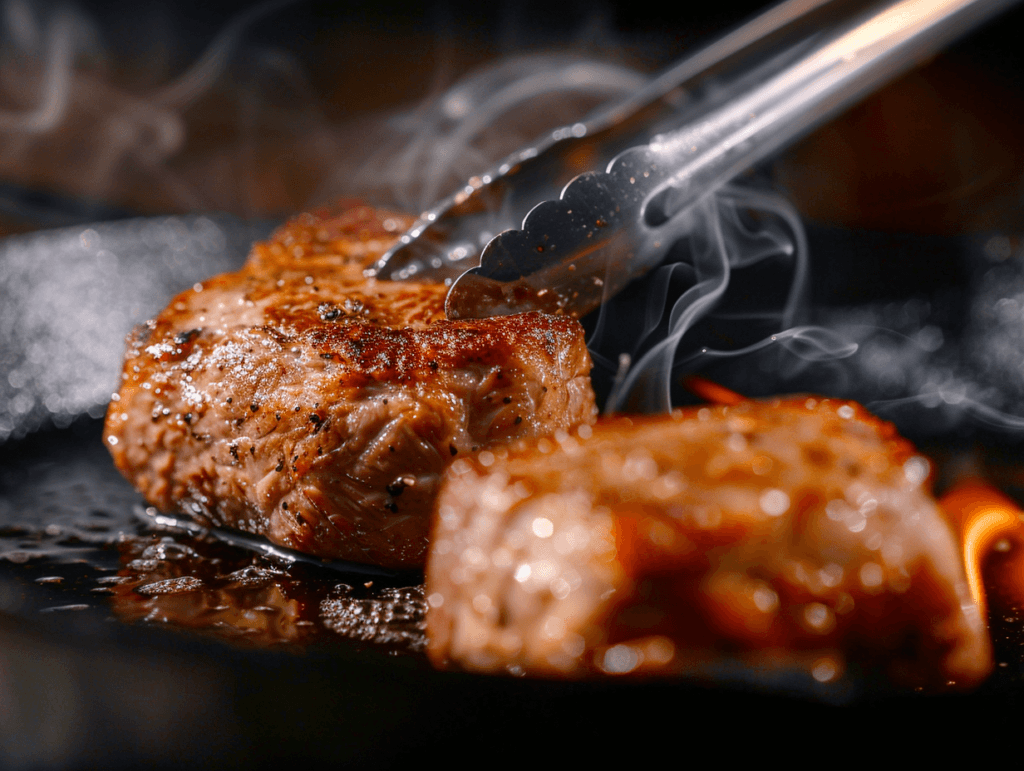
- Sear on the stovetop. Heat an oven-safe skillet (cast iron or stainless steel) over medium-high heat until very hot — about 2 minutes. Add oil. Place the tenderloin in the pan and do not move it for 2 minutes. You want a deep golden-brown crust. Rotate and sear each side for 1–2 minutes. Total searing time: 6–8 minutes. This step is not optional — the Maillard reaction creates the flavor compounds that roasting alone cannot.
- Transfer to the oven. Move the entire skillet into the preheated oven. If your skillet isn’t oven-safe, transfer the tenderloin to a rimmed baking sheet with a wire rack — the rack lets heat circulate under the meat for even roasting.
- Roast and monitor temperature. Roast for 15–18 minutes. Start checking internal temperature at the 12-minute mark by inserting a thermometer into the thickest part of the meat — not touching the pan. Pull the tenderloin from the oven at exactly 140°F (60°C). If your tenderloin is on the thinner side (under 1 lb), start checking at 10 minutes.
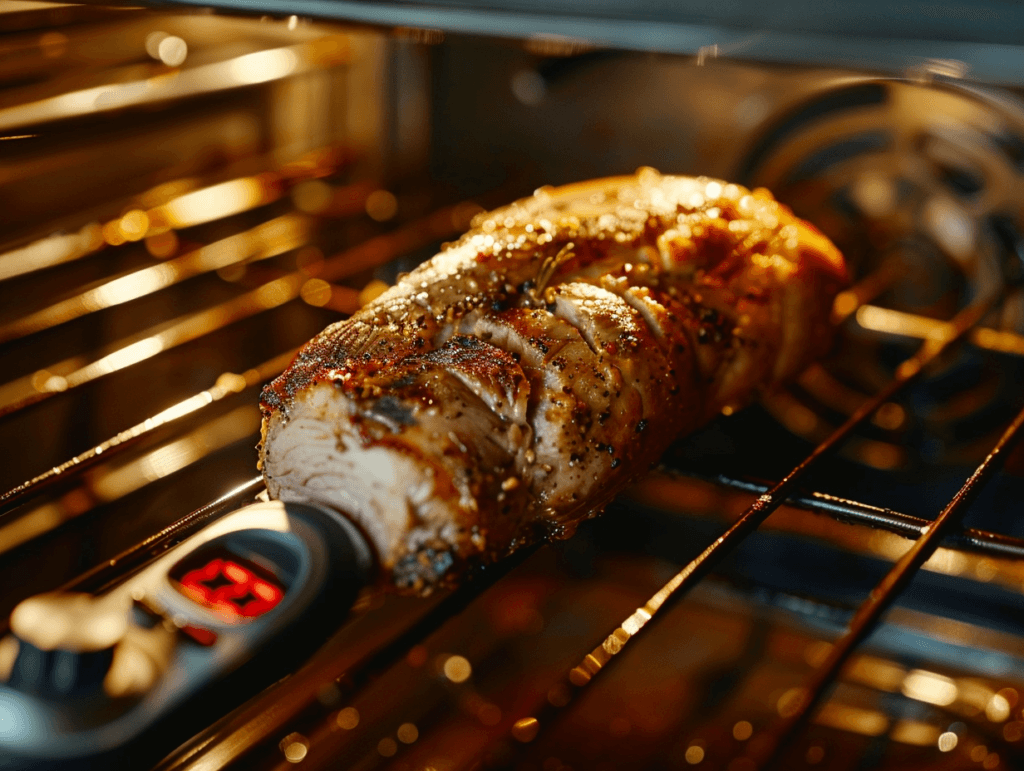
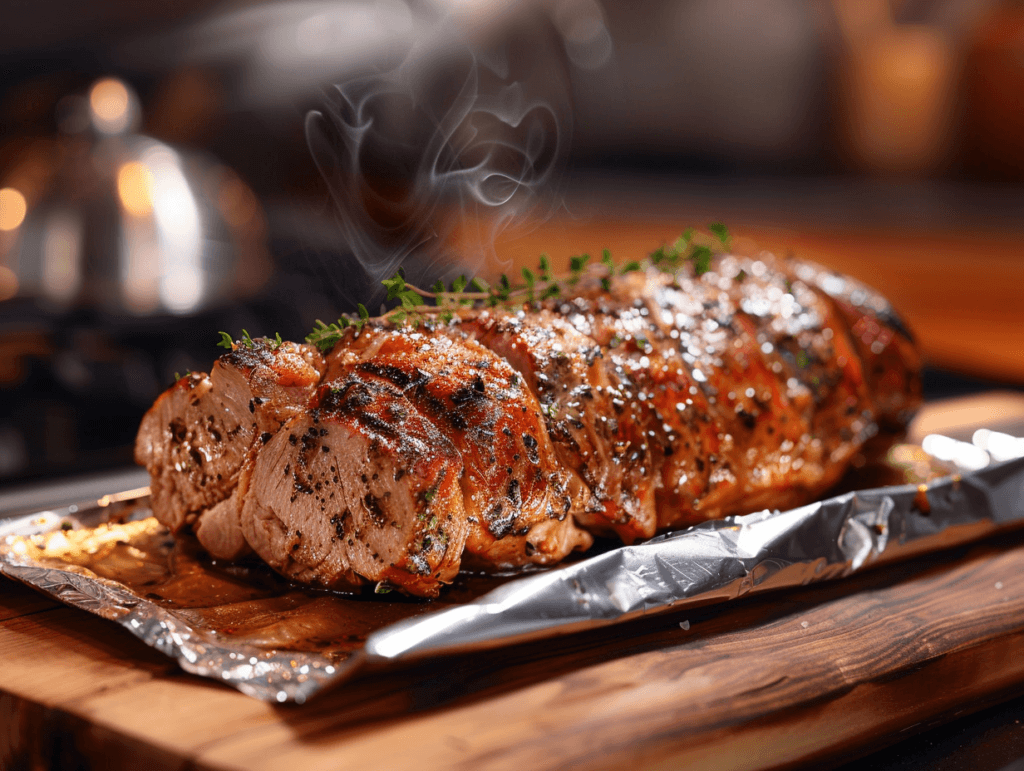
- Rest — do not skip this. Transfer the tenderloin to a cutting board and tent loosely with foil — not tightly wrapped, just draped over. Rest for exactly 10 minutes. The internal temperature will rise to 145°F on its own. Slicing before resting loses 30–40% of the internal juices onto the cutting board.
- Make the pan sauce (optional but worth it). While the meat rests, place the skillet over medium heat. Add chicken broth and scrape up the brown bits from the bottom — this fond is pure concentrated flavor. Add Dijon mustard and stir. Reduce for 2–3 minutes. Remove from heat, swirl in cold butter until melted and glossy. Add fresh thyme. Taste and adjust salt.
- Slice and serve. Cut the tenderloin into ¾-inch medallions against the grain. The center should be slightly pink — that is perfectly safe at 145°F and is the texture you want. Drizzle with pan sauce and serve immediately.
Pro tip: the thin tapered end of the tenderloin always cooks faster than the thick center. Fold it under and tie it with kitchen twine before searing — this creates a uniform thickness and ensures even cooking from end to end.
Advanced techniques for extra moisture
Brining (for very lean cuts)
Already covered above, but worth repeating: a 20–30 minute brine in salted water (1 tbsp kosher salt per cup of water) is the single most impactful thing you can do for lean pork. The osmosis process forces moisture into the muscle fibers. The result is a tenderloin that is measurably juicier and more forgiving of slight overcooking.
Basting during roasting
Every 8–10 minutes in the oven, spoon pan juices over the top of the tenderloin. This builds flavor layers on the crust and prevents the surface from drying out under dry oven heat. Use a long-handled spoon and work quickly — every time you open the oven door, you lose about 25°F of heat.
Foil tent — when and how
Only use a foil tent during roasting if the crust is browning too fast (typically if your oven runs hot). Drape it loosely — a tight wrap traps steam and softens your crust. Remove the foil for the last 5 minutes of cooking to re-crisp the surface.
The best side dishes and pan sauces
- Roasted carrots & parsnips: Natural sweetness complements pork. Roast at the same 400°F alongside the meat.
- Garlic mashed potatoes: Classic pairing. The creaminess balances the lean, firm texture of the pork.
- Sautéed apple & onion: Underrated combination. The acidity of the apple cuts through the richness of the crust.
- Wilted spinach with garlic: Ready in 3 minutes. High in iron. Visually striking on the plate.
- Blanched green beans with almonds: The crunch and bitterness contrast beautifully with the tender pork.
- Dijon mustard pan sauce: Made in the same skillet in 5 minutes. Elevates the dish from home cook to restaurant level.
7 mistakes that ruin pork tenderloin in the oven
- Skipping the silver skin removal: It contracts under heat, deforms the roast, and creates chewy bites in every slice. Takes 60 seconds to remove — never skip it.
- Cooking straight from the fridge: Cold center + hot oven = overcooked exterior and undercooked interior. Always 20–30 minutes at room temperature first.
- Skipping the stovetop sear: The oven cannot create the same Maillard crust as a screaming-hot skillet. Without searing, you get a gray, steamed exterior with no flavor development.
- Using cooking time instead of temperature: Every oven is different. Every tenderloin is a different thickness. The only reliable metric is a meat thermometer. Pull at 140°F internal, every time.
- Overcooking past 160°F: Pork tenderloin has almost no intramuscular fat to compensate for moisture loss. At 160°F+, it becomes noticeably dry and chalky. The USDA updated its guidelines in 2011 — 145°F with a 3-minute rest is fully safe.
- Slicing immediately after the oven: The juices are concentrated at the center right after cooking. Cutting immediately sends them all onto the cutting board. Ten minutes of resting redistributes them back into every slice.
- Slicing with the grain: Always cut across the grain — perpendicular to the muscle fibers. Cutting with the grain gives you long, stringy bites. Cutting against it gives you short, tender medallions that melt in your mouth.
Frequently asked questions
How long to cook pork tenderloin in the oven at 400°F?
After searing, 15–22 minutes at 400°F for a 1–1.5 lb tenderloin. Start checking internal temperature at 12 minutes. The exact time depends on thickness, not weight — a thin 1.5 lb tenderloin cooks faster than a thick 1 lb one. Always use a thermometer and pull at 140°F.
Can I cook pork tenderloin in the oven without searing first?
Yes, but you’ll miss the crust. If you skip searing, roast at 425°F for 20–25 minutes and finish under the broiler for 2–3 minutes to develop some color. The result is noticeably less flavorful — the Maillard crust from a hot skillet creates flavor compounds that dry oven heat simply cannot replicate.
Is pink pork tenderloin safe to eat?
Yes — as of 2011, the USDA updated its recommendation for whole pork cuts to 145°F with a 3-minute rest. A slightly pink center at this temperature is fully safe and is actually the ideal texture for tenderloin. The old 160°F guideline was overly conservative and led to the dry, overcooked pork most people grew up eating.
Do I need to cover pork tenderloin in the oven?
No — cooking uncovered allows the surface to roast and the crust to set properly. Only use a loose foil tent if the exterior is browning too fast, and remove it for the last 5 minutes. Covering too tightly traps steam and gives you braised, not roasted, pork.
How does pork tenderloin differ from pork loin when baked in the oven?
Completely different cuts requiring different methods. Tenderloin: 1–1.5 lbs, cooks in 20–25 minutes total at 400°F. Pork loin: 2–5 lbs, needs 325°F and 20–25 minutes per pound. Mixing them up is the most common pork cooking mistake — always check the label and the weight.
How do I keep pork tenderloin from drying out?
Four things: brine it for 20–30 minutes before cooking, pull it at 140°F internal (not 160°F), rest it for 10 minutes before slicing, and always cut against the grain. Do all four and you will have juicy pork tenderloin every single time — regardless of your oven or the exact weight of the cut.
Can I prep pork tenderloin the night before?
Yes — this is actually ideal. Season with your dry rub in advance, cover securely with plastic wrap, and refrigerate until the next day. The salt has 8–12 hours to penetrate deeper into the meat, seasoning it from the inside out rather than just the surface. Take it out 30 minutes before cooking to come to room temperature.
Conclusion
Pork tenderloin is one of the best weeknight proteins you can cook in an oven — lean, fast, and genuinely impressive on the plate when done right. The difference between dry and juicy comes down to four things: removing the silver skin, searing before roasting, pulling at 140°F with a thermometer, and resting for 10 minutes before you slice. Get those four right and the rest takes care of itself. Start with the smoky herb crust rub — it works with everything and takes 3 minutes to mix.ory, and Acidic Flavors